
Quercetin is a plant flavonoid found in everyday foods like apples, onions and berries. Here’s what the research says about its benefits — and where the science is still developing.
The quick takeaway
Quercetin is a naturally occurring flavonoid found in foods like apples, onions, berries and leafy greens. This antioxidant compound has been studied for its potential role in supporting a healthy inflammatory response, cardiovascular health and overall wellness.
While it isn’t a magic fix or a replacement for a balanced diet, research suggests quercetin may help support the body’s natural defence systems.
Why people are adding quercetin to their routine
Supports a healthy inflammatory response
Emerging human evidenceInflammation is part of the body’s normal immune response, but keeping that response balanced is important for long-term health. Quercetin has been studied for its ability to influence several pathways involved in inflammation. In an 8-week human trial involving people with rheumatoid arthritis, daily quercetin supplementation was associated with improvements in morning stiffness, discomfort and certain markers linked to inflammation compared with placebo. More research is still needed to understand who benefits most.
Helps support antioxidant protection
Established mechanismEvery day, your body naturally produces compounds called free radicals. Antioxidants help protect cells from oxidative stress by helping maintain balance. As a plant flavonoid, quercetin is naturally equipped with antioxidant activity — one reason researchers continue to explore its potential health effects.
May support heart and blood vessel health
Emerging human evidenceEmerging research suggests quercetin may have a positive role in cardiovascular wellness. A review of human studies found that higher-dose quercetin supplementation (generally above 500 mg per day) was associated with modest reductions in blood pressure in some adults. However, results can vary depending on the person, dosage and study design.
A popular pairing with performance ingredients
Early researchQuercetin is often explored alongside ingredients such as green tea compounds and caffeine because researchers are interested in how plant compounds interact. Some studies suggest quercetin may influence the absorption and metabolism of certain tea polyphenols. Research here is ongoing, and quercetin should be viewed as a supportive ingredient rather than a standalone fat-burning solution.
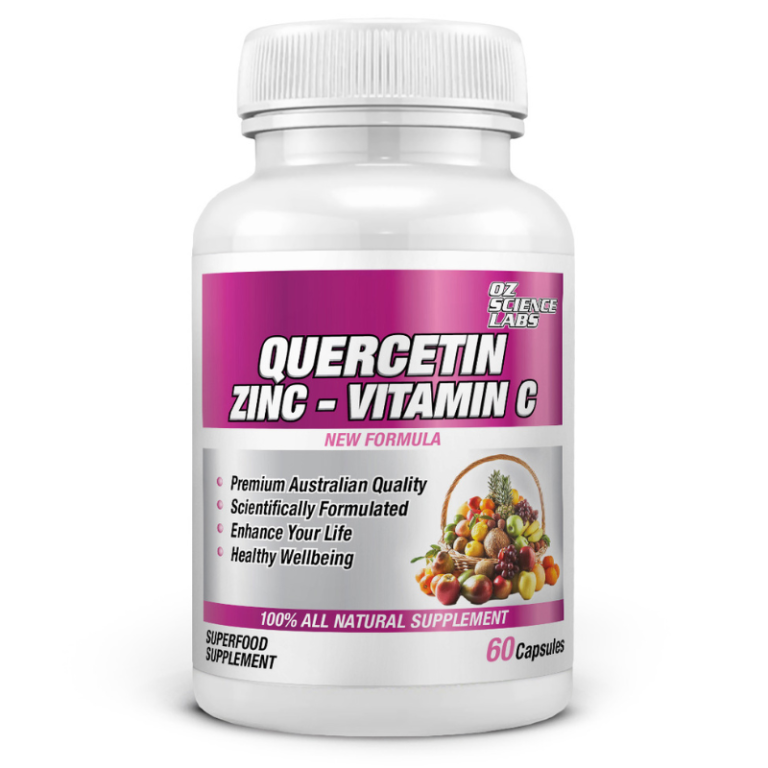
The science behind the flavonoid
Quercetin belongs to a family of plant compounds called flavonoids. Plants produce these as part of their natural defence systems, and humans consume them through foods such as fruits, vegetables and herbs. Scientists have studied quercetin because of its antioxidant activity and its ability to interact with biological pathways related to inflammation, blood vessel function and cellular signalling.
What about allergies?
Early / limited evidenceQuercetin is often discussed in connection with seasonal allergies because laboratory and animal research suggests it may influence pathways involved in histamine release and immune signalling. That said, human evidence for quercetin as an allergy treatment is still limited. It may be a promising area of research, but it should not be considered a replacement for clinically proven allergy treatments.
A little history: from plants to supplements
Quercetin has been part of nutritional science research for decades. Its name comes from Quercus, the Latin word for oak, reflecting its early identification from oak bark. Today, researchers continue investigating this naturally occurring flavonoid to better understand how it may support human health.
Why choose quercetin?
- Naturally derived plant flavonoid
- Antioxidant support
- Studied for healthy inflammation balance
- Research-backed ingredient with growing scientific interest
Add quercetin to your daily routine and give your body a little extra plant-powered support.
Common questions
Quercetin FAQ
What is quercetin good for?
Quercetin is a plant flavonoid studied for supporting a healthy inflammatory response, antioxidant protection and cardiovascular wellness. It’s also researched in connection with seasonal allergies, though human evidence there is still limited.
Does quercetin actually work?
The strongest signals are for antioxidant activity and, at higher doses, modest reductions in blood pressure in some adults. An 8-week trial in people with rheumatoid arthritis showed improvements in stiffness and discomfort. Overall the research is promising but still developing, so it’s best viewed as supportive rather than a treatment.
Can quercetin help with allergies?
Lab and animal research suggests quercetin may influence histamine release and immune signalling, which is why it’s often linked to seasonal allergies. Human evidence is still limited, so it shouldn’t replace clinically proven allergy treatments.
How much quercetin should you take?
Cardiovascular studies showing benefits generally used higher doses, often above 500 mg per day, but the right amount depends on the individual and the goal. Follow the product directions and check with a healthcare professional if you’re unsure.
Is quercetin safe?
Quercetin is generally well tolerated at amounts used in research. As with any supplement, anyone pregnant or breastfeeding, taking medication, or managing a health condition should speak with a healthcare professional first.
If you’re interested, feel free to explore our recommended range of high-quality superfood supplements here.
Sources
- Javadi F, et al. The effect of quercetin on inflammatory factors and clinical symptoms in women with rheumatoid arthritis. Journal of the American College of Nutrition, 2017. — inflammation / RA trial.
- Serban MC, et al. Effects of quercetin on blood pressure: a systematic review and meta-analysis of randomized controlled trials. Journal of the American Heart Association, 2016. — blood pressure.
- Li Y, et al. Quercetin, inflammation and immunity. Nutrients, 2016. — antioxidant / immune mechanism.
- Mlcek J, et al. Quercetin and its anti-allergic immune response. Molecules, 2016. — allergy / histamine pathways.
- Egert S, et al. Quercetin reduces systolic blood pressure in overweight subjects. British Journal of Nutrition, 2009. — cardiovascular.
This article is for general information only and is not medical advice. Australian Herbal products are not intended to diagnose, treat, cure or prevent any disease. Speak with a qualified healthcare professional before starting any supplement, particularly if you are pregnant, breastfeeding, taking medication or managing a health condition.