
NMN is one of the most talked-about supplements in healthy ageing. Here’s what it actually does — and what the science does and doesn’t yet support.
The short answer
NMN (Nicotinamide Mononucleotide) is a naturally occurring compound that helps your body produce NAD+, a molecule your cells need to create energy and carry out hundreds of essential processes. As we get older, NAD+ levels naturally decline, which has led researchers to investigate whether boosting those levels could support healthy ageing and overall wellbeing.
The important part: NMN has been shown to increase NAD+ levels in humans, but the bigger claims — like dramatically slowing ageing or extending lifespan — haven’t yet been proven in people. The research is exciting, but still evolving. Supplements work best alongside good nutrition, exercise, quality sleep and healthy habits, not instead of them.
Why are so many people taking NMN?
Rather than providing a quick burst of energy like caffeine, NMN works behind the scenes by supporting your body’s natural production of NAD+, a molecule involved in cellular energy production. People choose NMN for a variety of reasons, including:
- Supporting healthy cellular energy
- Promoting healthy ageing
- Helping maintain normal metabolic function
- Supporting an active lifestyle
- Complementing exercise and recovery
- Supporting overall wellbeing as they get older
While researchers continue to explore these areas, the strength of evidence varies. Some benefits are supported by early human studies, while others are still based largely on laboratory or animal research.
What is NMN?
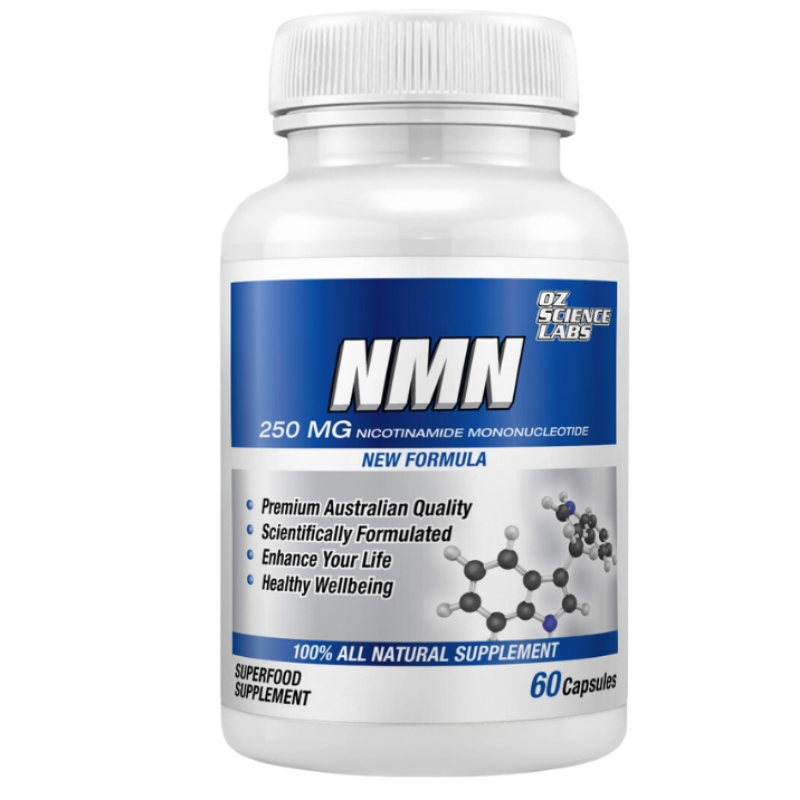
NMN stands for Nicotinamide Mononucleotide. While the name sounds complicated, it’s a substance your body naturally makes every day. You’ll also find small amounts in foods such as edamame, broccoli, cabbage, avocado, cucumbers and tomatoes — though the quantities are much lower than those used in clinical research, which is why many people choose a supplement. Once absorbed, NMN is converted into NAD+, helping replenish a molecule that naturally declines with age.
The potential benefits of NMN
The honest answer is that scientists are still finding out. Some early human studies have produced encouraging results, but larger, longer-term trials are needed before drawing firm conclusions. Here’s what current research suggests.
1. Supports healthy cellular energy
Best-supported roleOne of NMN’s best-supported roles is helping your body maintain healthy NAD+ levels. NAD+ plays a key part in converting food into usable cellular energy. Since NAD+ levels gradually decrease with age, researchers believe restoring them may help cells continue performing their normal functions more efficiently. Rather than acting like a stimulant, NMN supports processes your cells already rely on every day.
2. May support healthy ageing
Emerging / animal evidenceDeclining NAD+ levels are associated with many natural changes that occur as we age, and because NMN helps replenish NAD+, researchers are exploring whether it could support healthy ageing. Keep expectations realistic, though: current human studies have not shown that NMN slows ageing or extends lifespan. Most dramatic longevity findings come from animal studies, which don’t always translate to people. What the evidence does suggest is that maintaining healthy NAD+ may support normal cellular function as we age.
3. May support metabolic health
Promising but inconsistentSome clinical studies have reported improvements in measures related to insulin sensitivity in certain groups of adults, while others have found little or no significant benefit. Researchers consider the evidence promising but inconsistent, and more large-scale human studies are needed before NMN can be recommended specifically for metabolic health.
4. May complement an active lifestyle
Early / limited evidenceSome small human studies suggest NMN may improve aerobic capacity during exercise, particularly when combined with regular training. However, evidence that it directly improves strength, endurance or athletic performance remains limited. It’s more accurate to think of NMN as supporting the cellular processes involved in energy production than as a performance enhancer.
5. A growing area of research
Early researchResearchers are currently investigating possible roles in areas such as healthy brain function, cardiovascular health, muscle health during ageing, inflammation, cellular repair and healthy liver function. These studies are encouraging, but most are still early-stage — these potential benefits should be viewed as possibilities rather than proven outcomes.
How does NMN actually work?
At its core, NMN helps your body produce NAD+ (nicotinamide adenine dinucleotide) — a coenzyme found in every living cell. Think of NAD+ as one of your body’s essential “helpers.” Without enough of it, cells can’t efficiently carry out many of the processes that keep you functioning day after day.
NAD+: your cells’ everyday helper
NAD+ is involved in hundreds of biological reactions. It helps cells convert food into usable energy, support normal mitochondrial function, activate enzymes involved in cellular maintenance, help repair DNA, support healthy metabolism and assist communication between cells. The catch is that NAD+ levels naturally decline as we get older.
Where does NMN fit in?
NMN is one of the building blocks your body uses to make NAD+. After you take it, NMN is absorbed and converted through a series of natural steps into NAD+, replenishing a supply your cells constantly use. Rather than introducing something foreign, NMN provides a naturally occurring compound your body already knows how to use.
What does human research show so far?
Human clinical studies consistently show that NMN supplementation can increase NAD+ levels in the bloodstream and is generally well tolerated in healthy adults over the short term — an important finding, because it confirms NMN reaches the body and does what researchers expect biologically. Researchers are investigating whether raised NAD+ may support healthy ageing, metabolic health, physical function, cardiovascular and cognitive health, but these studies are generally small and short. At this stage the evidence is best described as promising but preliminary.
Despite the excitement, current research has not established that NMN slows or reverses human ageing, extends lifespan, prevents age-related diseases, dramatically boosts energy in healthy adults, or improves athletic performance across the general population. These remain active fields of research.
Is NMN safe?
For most healthy adults, current research suggests NMN is generally well tolerated over the short term. Multiple human trials have used daily doses ranging from around 250 mg to 1,200 mg without identifying serious safety concerns directly linked to NMN. That said, encouraging short-term data isn’t the same as long-term data, which is still limited. When side effects have been reported they’re generally mild and temporary — such as mild nausea, stomach discomfort, headache, dizziness or flushing. It’s often sensible to start with a lower dose and see how your body responds.
It’s best to consult your healthcare professional before using NMN if you are pregnant or breastfeeding, under 18, have a chronic medical condition, take prescription medications, or are undergoing treatment for a serious illness.
The bottom line
NMN isn’t a miracle supplement — and it doesn’t need to be. What makes it interesting is that it targets one of the body’s most fundamental processes: maintaining healthy NAD+ levels. The science reliably shows NMN can increase NAD+; what’s still being determined is exactly how much that influences healthy ageing and long-term wellbeing. For now, the strongest evidence supports NMN as a supplement that helps restore NAD+ levels — not as a miracle anti-ageing solution. Think of it as one part of a bigger picture that includes nutritious food, regular exercise, quality sleep and healthy daily habits.
Common questions
NMN FAQ
What does NMN do?
NMN helps your body produce NAD+, a molecule essential for cellular energy production and many normal biological processes. Human studies consistently show NMN can increase NAD+ levels, although researchers are still studying whether this leads to significant long-term health benefits.
Does NMN give you more energy?
Not in the same way as caffeine. NMN supports the body’s natural cellular energy production rather than acting as a stimulant. While some people report feeling more energetic, clinical studies haven’t consistently shown noticeable increases in energy among healthy adults.
Does NMN slow ageing?
Current human research has not shown that NMN slows, reverses or stops ageing. What researchers do know is that NMN increases NAD+ levels, and maintaining healthy NAD+ is an important area of ageing research. Whether that translates into meaningful anti-ageing benefits in humans is still being investigated.
How long does NMN take to work?
There’s no universal answer. Some studies show increases in NAD+ within a few weeks, but potential health outcomes may take longer to evaluate and many remain under investigation. Results can vary with age, lifestyle and overall health.
Can you take NMN every day?
Daily use has been evaluated in several short-term clinical studies and NMN has generally been well tolerated. Because long-term research is still limited, it’s sensible to follow the manufacturer’s directions and discuss ongoing use with your healthcare professional if you have concerns.
If you’re interested, feel free to explore our recommended range of high-quality superfood supplements here.
Sources
- Yoshino M, et al. Nicotinamide mononucleotide increases muscle insulin sensitivity in prediabetic women. Science, 2021. — metabolic health.
- Irie J, et al. Effect of oral administration of nicotinamide mononucleotide on clinical parameters and NAD metabolism in healthy men. Endocrine Journal, 2020. — safety / NAD+.
- Liao B, et al. Nicotinamide mononucleotide supplementation enhances aerobic capacity in amateur runners. Journal of the International Society of Sports Nutrition, 2021. — exercise / aerobic capacity.
- Mills KF, et al. Long-term administration of nicotinamide mononucleotide mitigates age-associated physiological decline in mice. Cell Metabolism, 2016. — ageing (animal).
- Okabe K, et al. / Katayoshi T, et al. Safety and pharmacokinetics of long-term NMN supplementation in humans. 2022\u20132023. — safety.
- de Picciotto NE, et al. NMN supplementation reverses vascular dysfunction and oxidative stress with ageing in mice. Aging Cell, 2016. — cardiovascular (animal).
This article is for general information only and is not medical advice. Australian Herbal products are not intended to diagnose, treat, cure or prevent any disease. Speak with a qualified healthcare professional before starting any supplement, particularly if you are pregnant, breastfeeding, taking medication or managing a health condition.