
Green tea extract can support your health goals — but it isn’t a magic fat burner. Here’s what the science really says, plus an important safety note.
The short version
Green tea extract packs concentrated amounts of green tea’s natural compounds, especially catechins like EGCG (epigallocatechin gallate), along with varying levels of caffeine. These have been studied for their potential effects on metabolism, antioxidant defence, exercise recovery and cardiovascular health.
The important thing to know? Green tea extract may offer helpful support, but the results are usually modest. It works best alongside the fundamentals: a balanced diet, regular exercise and healthy lifestyle habits.
Can green tea extract help with weight loss?
Modest, well-studiedGreen tea extract is one of the most researched natural ingredients for weight management, largely due to two compounds: catechins (antioxidant plant compounds, especially EGCG) and caffeine (a stimulant that can increase energy expenditure and alertness). Together these may influence thermogenesis — the process where your body produces heat and uses energy. Some research suggests green tea catechins and caffeine can slightly increase calorie burning and fat oxidation.
However, green tea extract is not a replacement for calorie control or exercise. Studies generally show small effects, and results vary with caffeine intake, genetics, diet and activity. Regular caffeine users may notice less effect. Some research has found green tea extract supplementation may support reductions in body weight, BMI and waist circumference in some populations, particularly alongside lifestyle changes. The takeaway: think “helpful addition,” not “shortcut.”
A natural source of antioxidants
Established mechanismDuring normal metabolism your body produces free radicals; excessive levels contribute to oxidative stress, which is linked with cellular damage. Green tea catechins, particularly EGCG, can interact with antioxidant pathways and may help support the body’s natural defence systems. Research shows green tea consumption and supplementation can influence markers of antioxidant status — though antioxidant effects measured in studies don’t always translate directly into preventing disease.
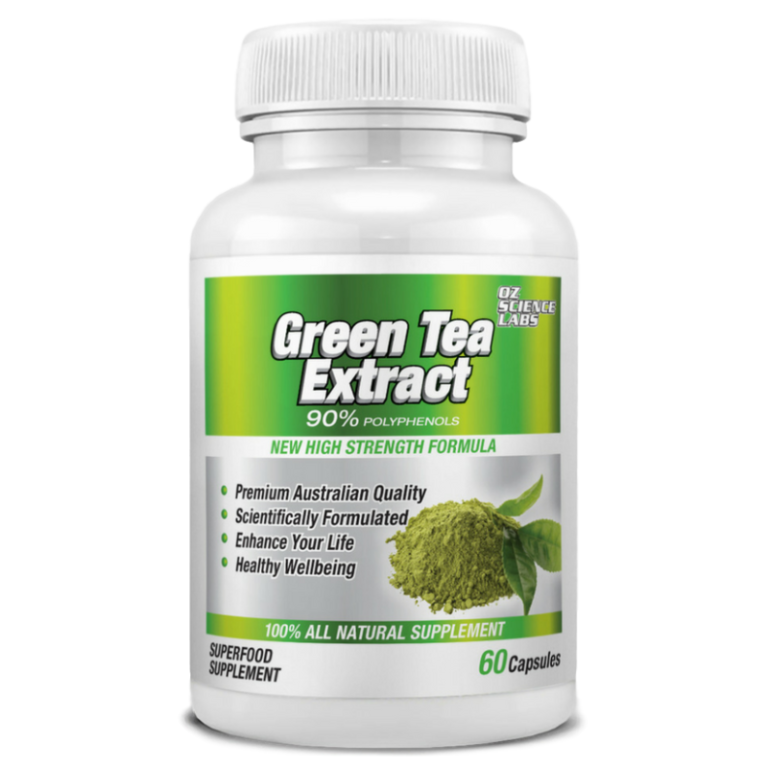
Green tea extract for workout recovery and performance
Emerging / mixed evidenceIntense training temporarily increases oxidative stress and inflammation. Because green tea extract contains catechins, researchers have explored whether it may help with recovery. Some studies suggest it may support antioxidant capacity during training, reduce markers associated with exercise-related oxidative stress, and potentially improve aspects of endurance performance. Findings aren’t consistent across all studies, and it won’t replace the essentials: enough protein, hydration, quality sleep and proper training recovery.
Green tea extract and brain health
Emerging evidenceGreen tea has long been associated with mental alertness, partly due to its natural caffeine. Its EGCG and other catechins have been studied for effects on brain-related pathways. Some human studies suggest green tea compounds may influence attention, working memory and brain activity patterns, and one small trial found a drink containing green tea extract and caffeine improved performance on certain cognitive tasks versus placebo. Research into preventing conditions like Alzheimer’s or dementia is still developing. The realistic expectation: green tea extract may support alertness and cognitive performance, especially when caffeine is involved.
Supporting heart and metabolic health
Modest clinical evidenceCatechins may influence several cardiovascular factors including oxidative stress, inflammation, blood vessel function and cholesterol metabolism. Some clinical trials have reported improvements in blood pressure and cholesterol markers — for example, reductions in LDL cholesterol and blood pressure in adults with cardiovascular risk factors after supplementation. Effects are generally modest and should be viewed as part of a broader heart-health approach.
Green tea extract and liver health: benefits with an important warning
Some research suggests green tea catechins may support liver health in people with metabolic concerns, including non-alcoholic fatty liver disease, with reported improvements in markers such as liver enzymes and oxidative stress. But there’s an important safety consideration.
Important safety warning
High-dose green tea extract supplements have been linked to rare cases of liver injury. This risk appears more associated with concentrated extracts than normal green tea consumption. The Australian Therapeutic Goods Administration (TGA) requires warning statements on relevant listed products regarding rare liver harm associated with Camellia sinensis extracts.
Stop using green tea extract and seek medical advice if symptoms such as yellowing of the skin or eyes, dark urine, unusual fatigue, nausea, appetite loss, abdominal pain or itching occur. People with existing liver conditions or those taking medications should speak with a healthcare professional before using concentrated green tea extract.
How much green tea extract should you take?
There’s no single universal dose. Many supplements provide around 250–500 mg of green tea extract daily, but the important details are how much EGCG it contains, whether it contains caffeine, your total daily caffeine intake, and whether you take it with food. Taking green tea extract with food may help reduce potential stomach discomfort and may lower the risk associated with high-dose use. Always follow the product directions and avoid exceeding recommended amounts.
How to choose a green tea extract supplement
A quality supplement should clearly state its EGCG content, its caffeine amount (important if you also drink coffee or use pre-workout), a transparent serving size, and ideally third-party quality testing for purity.
Should you add green tea extract to your routine?
Green tea extract is one of the better-studied botanical supplements available. Research suggests it may help support metabolism and weight-management efforts, antioxidant defence, exercise recovery, alertness and focus, and some cardiovascular markers. But the biggest benefits come from realistic expectations: it’s a supporting tool, not a replacement for healthy habits. Choose a well-formulated product, use sensible doses, and focus on consistency over quick fixes.
Common questions
Green Tea Extract FAQ
What is green tea extract good for?
Green tea extract is studied for supporting metabolism and weight management, antioxidant defence, exercise recovery, alertness and some cardiovascular markers. Its main active compounds are catechins (especially EGCG) and caffeine. Benefits are generally modest and work best alongside a healthy lifestyle.
Does green tea extract actually work for weight loss?
It’s one of the most researched natural ingredients for weight management, and catechins plus caffeine may slightly increase calorie burning and fat oxidation. But effects are small and vary by person — it supports weight management rather than replacing diet and exercise.
Is green tea extract safe for your liver?
Normal green tea consumption is generally fine, but high-dose concentrated extracts have been linked to rare cases of liver injury, which is why the TGA requires warning statements. Stop use and seek medical advice if you notice symptoms like yellowing skin or eyes, dark urine or unusual fatigue. People with liver conditions or on medication should check with a professional first.
How much green tea extract should you take?
Many supplements provide around 250–500 mg daily, but what matters most is the EGCG content, the caffeine amount, your total caffeine intake, and taking it with food. Follow the product directions and don’t exceed recommended amounts.
Does green tea extract help with focus?
It may support alertness and cognitive performance, largely because it contains caffeine alongside catechins like EGCG. One small trial found improved performance on certain cognitive tasks, though broader claims about preventing cognitive decline are still developing.
If you’re interested, feel free to explore our recommended range of high-quality superfood supplements here.
Sources
- Hursel R, et al. The effects of green tea on weight loss and weight maintenance: a meta-analysis. International Journal of Obesity, 2009. — weight management.
- Jurgens TM, et al. Green tea for weight loss and weight maintenance in overweight or obese adults. Cochrane Database of Systematic Reviews, 2012. — weight management.
- Onakpoya I, et al. The effect of green tea on blood pressure and lipid profile: a systematic review and meta-analysis. Nutrition, Metabolism & Cardiovascular Diseases, 2014. — cardiovascular.
- Scholey A, et al. Acute effects of epigallocatechin gallate (EGCG) on cognition and mood. — brain / alertness.
- Hu J, et al. The safety of green tea and green tea extract consumption in adults / hepatotoxicity review. 2018. — liver safety.
- Therapeutic Goods Administration (Australia). Safety advisory: green tea (Camellia sinensis) extract and rare liver harm. — TGA warning requirement.
This article is for general information only and is not medical advice. Australian Herbal products are not intended to diagnose, treat, cure or prevent any disease. Speak with a qualified healthcare professional before starting any supplement, particularly if you are pregnant, breastfeeding, taking medication or managing a health condition.