
Curcumin, the golden compound in turmeric, is one of the most researched plant compounds for movement, recovery and everyday wellbeing. Here’s what the science says.
The takeaway
Found in turmeric, curcumin has become one of the most researched plant compounds for supporting the body’s response to inflammation and oxidative stress. Human studies suggest it may help with joint comfort, reduce exercise-related muscle soreness and support overall health — although results vary depending on the type of supplement, dose and individual factors.
Think of it as a little golden helper in your wellness routine — not a magic fix, but a science-backed ingredient that may help your body handle everyday stress a little better.
Why active people are turning to curcumin
After exercise, your body naturally creates an inflammatory response. This process is important because it helps your muscles adapt and repair. The challenge comes when inflammation becomes excessive or contributes to ongoing discomfort. Research suggests curcumin may help regulate some of the pathways involved in inflammation and oxidative stress, and it has been studied for its effects on inflammatory signalling molecules, including pathways such as NF-κB. The result? Curcumin may help support comfortable joint movement, exercise recovery, muscle soreness management and the body’s natural antioxidant defences.
Joint support: helping you keep moving
Strong human evidenceCurcumin has some of the strongest human evidence in the area of joint comfort, particularly for people with knee osteoarthritis. Multiple clinical trials and systematic reviews suggest turmeric or curcumin supplements may reduce pain and improve physical function compared with placebo. Some studies have compared curcumin preparations with common anti-inflammatory medications and found similar improvements in symptoms. However, the quality of evidence is variable, and curcumin should be viewed as a supportive option rather than a guaranteed replacement for medical treatments.
Workout recovery: a golden boost after training
Emerging human evidenceCurcumin has been investigated as a recovery aid because of its potential effects on exercise-induced inflammation and muscle damage. A systematic review and meta-analysis of randomised controlled trials found curcumin supplementation was associated with reductions in markers of muscle damage and delayed-onset muscle soreness after exercise. Another review found potential benefits for exercise-induced muscle damage, soreness and inflammation, although researchers noted more high-quality studies are still needed. In practical terms, curcumin may help support your recovery routine — alongside good nutrition, sleep and smart training.
How curcumin works behind the scenes
Curcumin belongs to a family of plant compounds called polyphenols, studied for their antioxidant activity — helping protect cells from oxidative stress caused by free radicals. Curcumin appears to work through several pathways, including supporting the body’s antioxidant defence systems, influencing inflammatory signalling pathways and modulating compounds involved in the stress response. This multi-pathway activity is one reason curcumin continues to attract scientific interest: rather than targeting just one process, it interacts with a range of biological systems.
The absorption challenge: why formulation matters
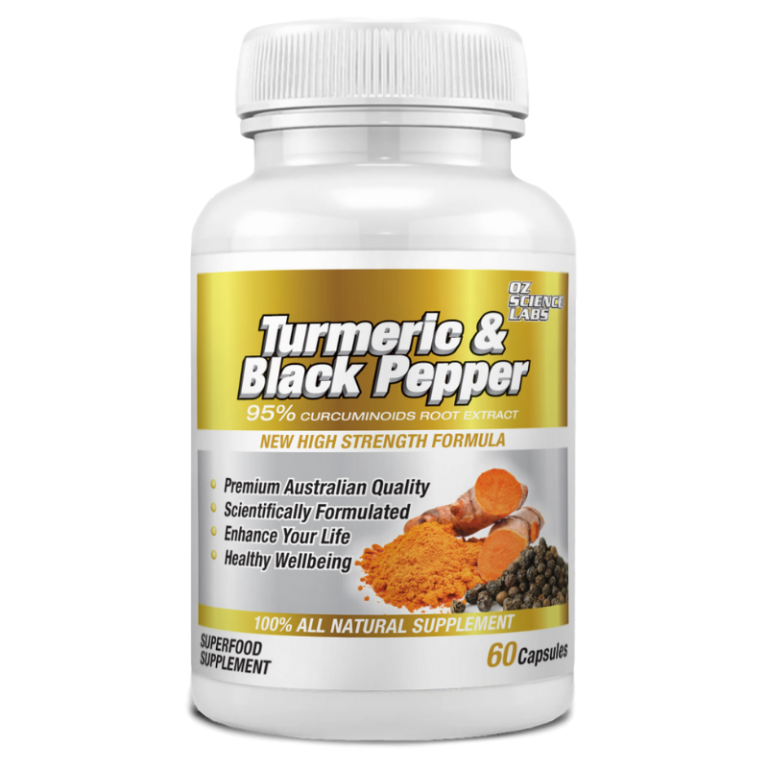
Established findingThere’s one catch with curcumin: your body doesn’t absorb it particularly well on its own. This is why many supplements combine curcumin with piperine (a compound from black pepper) or use specialised delivery systems. A well-known study found that adding piperine significantly increased measured curcumin bioavailability in humans, with the reported increase reaching around 2000% under the conditions of that study. However, this figure refers to blood levels of curcumin in a specific research setting — it doesn’t mean every supplement delivers 2000% more health benefits. The type of extract and formulation can make a major difference when comparing products.
Beyond joints: where curcumin research is expanding
Heart and metabolic health
Early evidenceSome research suggests curcumin may influence markers linked with cardiovascular health, including oxidative stress and blood vessel function. Early findings are interesting, but larger, longer-term human studies are still needed before making strong health claims.
Brain and mood support
Developing evidenceCurcumin has been investigated for potential effects on cognitive function and mood, with some studies suggesting it may influence processes involved in brain health, including pathways linked with brain-derived neurotrophic factor (BDNF). Evidence remains developing and should not be interpreted as proof that curcumin prevents cognitive decline.
Women’s health and PCOS
Early evidenceCurcumin is also being explored in areas such as polycystic ovary syndrome (PCOS), where inflammation and metabolic factors can play a role. Early research suggests it may influence markers related to inflammation, oxidative stress and metabolism, but more robust clinical trials are needed before it can be recommended as a standalone approach.
A traditional ingredient backed by modern research
Turmeric has been used for centuries in traditional health practices, particularly throughout South Asia. Modern research has focused on curcumin because it is one of turmeric’s major bioactive compounds. The biggest takeaway? Curcumin is not a miracle ingredient, but it is one of the more thoroughly researched plant compounds available. When combined with healthy habits, it may help support the way your body moves, recovers and responds to everyday challenges.
Common questions
Curcumin & Turmeric FAQ
What is curcumin good for?
Curcumin, the main active compound in turmeric, is studied for supporting joint comfort, exercise recovery and the body’s response to inflammation and oxidative stress. Its strongest human evidence is in joint comfort, particularly knee osteoarthritis.
Does curcumin actually work?
For joint comfort the human evidence is relatively strong, with trials and reviews showing reduced pain and improved function versus placebo. Evidence for recovery is emerging and positive, while areas like heart, brain and PCOS are earlier-stage. It’s best viewed as a supportive option, not a replacement for medical treatment.
Why is curcumin combined with black pepper?
Curcumin is poorly absorbed on its own. Piperine, a compound from black pepper, has been shown to significantly increase curcumin’s measured bioavailability — one well-known study reported around a 2000% increase under specific research conditions — which is why many supplements pair the two.
Can curcumin help with muscle soreness after exercise?
Yes, this is a promising area. A meta-analysis of randomised trials found curcumin supplementation was associated with reductions in markers of muscle damage and delayed-onset muscle soreness after exercise, though researchers note more high-quality studies are still needed.
Is curcumin safe?
Curcumin is generally well tolerated. As with any supplement, anyone pregnant or breastfeeding, taking medication (particularly blood thinners), or managing a health condition should speak with a healthcare professional first.
If you’re interested, feel free to explore our recommended range of high-quality superfood supplements here.
Sources
- Daily JW, et al. Efficacy of turmeric extracts and curcumin for alleviating the symptoms of joint arthritis: a systematic review and meta-analysis. Journal of Medicinal Food, 2016. — joint comfort.
- Fernández-Lázaro D, et al. Effects of curcumin supplementation on inflammatory markers, muscle damage and sports performance. Nutrients, 2020. — recovery / muscle soreness.
- Shoba G, et al. Influence of piperine on the pharmacokinetics of curcumin in animals and human volunteers. Planta Medica, 1998. — bioavailability (2000% figure).
- Hewlings SJ, Kalman DS. Curcumin: a review of its effects on human health. Foods, 2017. — mechanism / general overview.
- Sanmukhani J, et al. Efficacy and safety of curcumin in major depressive disorder. Phytotherapy Research, 2014. — mood.
- Tabrizi R, et al. The effects of curcumin on metabolic profiles / cardiovascular markers (meta-analysis). — heart & metabolic.
This article is for general information only and is not medical advice. Australian Herbal products are not intended to diagnose, treat, cure or prevent any disease. Speak with a qualified healthcare professional before starting any supplement, particularly if you are pregnant, breastfeeding, taking medication or managing a health condition.