
N-acetyl cysteine (NAC) is one of the most extensively researched antioxidant supplements available. Here’s what it does, and what the science actually supports.
Key takeaways
NAC is a well-studied dietary supplement best known for increasing the body’s production of glutathione — one of its most important natural antioxidants. While NAC is used as a prescription medicine for treating paracetamol overdose and as a mucolytic to help clear excess mucus, research also suggests it may support liver health, respiratory function and recovery from oxidative stress.
Other potential benefits — including cognitive health, fertility and exercise recovery — continue to be investigated, with evidence varying depending on the condition.
What is NAC?
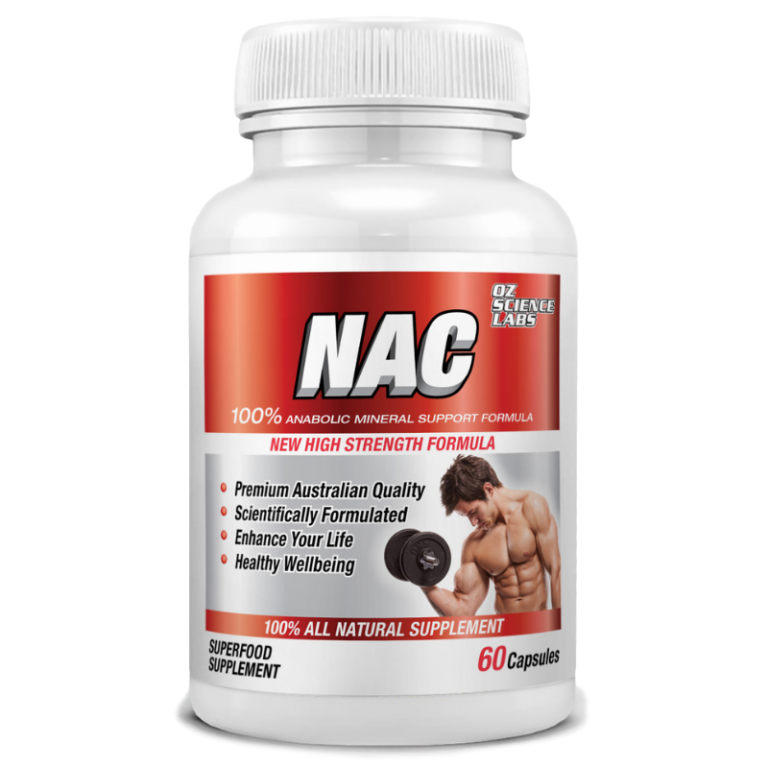
N-acetyl cysteine is a modified form of the amino acid L-cysteine. The addition of an acetyl group improves its stability and allows it to be absorbed more effectively than L-cysteine alone.
Once absorbed, NAC supplies cysteine — the key building block needed to produce glutathione. Glutathione is present in virtually every cell and helps protect tissues from oxidative stress by neutralising reactive oxygen species generated through normal metabolism, illness, environmental exposures and strenuous exercise.
Although cysteine is naturally obtained from protein-rich foods such as poultry, eggs, dairy products and legumes, glutathione production can decline during periods of illness, ageing or increased oxidative stress. In these situations, NAC supplementation may help replenish glutathione stores.
Why glutathione matters
Glutathione is often described as the body’s “master antioxidant” because it performs several essential functions, including:
- Protecting cells from oxidative damage
- Supporting normal immune function
- Assisting the liver in processing and eliminating toxins
- Helping maintain healthy cellular function throughout the body
Maintaining healthy glutathione levels may contribute to better overall health, although taking NAC should not be viewed as a way to prevent ageing or disease.
Potential benefits of NAC
Respiratory health
Established useOne of the most established supplemental uses for NAC is supporting respiratory health. NAC acts as a mucolytic, meaning it helps break apart thick mucus, making it easier to clear from the airways. This mechanism has led to its use in several chronic respiratory conditions under medical supervision. Research suggests NAC may:
- Improve mucus clearance
- Support breathing comfort in people with chronic bronchitis or COPD
- Reduce oxidative stress within the respiratory system
People with asthma should seek medical advice before using NAC, as responses can vary.
Liver support
Strong (clinical) evidenceNAC has an important role in liver health because glutathione is essential for protecting liver cells from oxidative damage. Its strongest evidence comes from hospital use, where intravenous NAC is the standard treatment for paracetamol overdose and can significantly reduce the risk of liver injury when administered promptly.
Researchers have also investigated oral NAC for conditions such as non-alcoholic fatty liver disease (NAFLD). Early findings suggest possible improvements in some markers of liver health, although larger clinical trials are still needed before routine supplementation can be recommended for this purpose.
Antioxidant support
Established mechanismEveryday factors such as intense exercise, pollution, poor sleep, illness and psychological stress can increase oxidative stress. By helping restore glutathione production, NAC may assist the body’s natural antioxidant defences and support healthy cellular function. While this biological effect is well established, evidence that NAC prevents chronic diseases or extends lifespan in otherwise healthy individuals remains limited.
Brain and mental health
Emerging / mixed evidenceScientists continue to study NAC’s influence on the brain because it affects glutathione levels and may help regulate glutamate, a neurotransmitter involved in learning, memory and mood. Clinical research has explored NAC as an adjunctive treatment for conditions including obsessive-compulsive disorder (OCD), depression, bipolar disorder and certain substance use disorders.
Some studies have reported improvements in symptoms when NAC is used alongside standard medical treatment, but results have been inconsistent. Evidence for ADHD, autism spectrum disorder and neurodegenerative diseases remains preliminary, and NAC should not replace evidence-based therapies.
Exercise recovery
Emerging / mixed evidenceHigh-intensity training temporarily increases oxidative stress and muscle fatigue. Several studies indicate NAC supplementation may delay fatigue during prolonged exercise, reduce exercise-induced oxidative stress and support post-exercise recovery. However, improvements in athletic performance are not consistently observed across all studies, and benefits may depend on the individual, training status and exercise type.
Fertility
Emerging evidenceOxidative stress can influence reproductive health in both men and women, making NAC an area of growing research interest. Current evidence suggests NAC may, for men, improve sperm motility and reduce oxidative damage affecting sperm quality; and for women, support ovulation in some women with polycystic ovary syndrome (PCOS) and improve fertility outcomes when combined with established fertility treatments in selected patients.
Although these findings are encouraging, supplementation should always be discussed with a healthcare professional as part of a broader fertility management plan.
Immune and inflammatory health
Early evidenceBecause glutathione helps regulate oxidative stress and immune function, researchers have investigated NAC in several inflammatory and autoimmune conditions. Some early clinical studies have shown potential benefits in disorders such as systemic lupus erythematosus (SLE), but current evidence is insufficient to recommend NAC as a primary treatment. Further high-quality research is required.
Safety and possible side effects
NAC is generally well tolerated when taken at recommended doses. The most commonly reported side effects include:
- Nausea
- Stomach discomfort
- Diarrhoea
- Bloating
- Mild headache
Less commonly, allergic reactions may occur. People with asthma, those taking nitroglycerin or certain blood pressure medications, and anyone with a chronic medical condition should consult their healthcare provider before beginning supplementation.
Who may benefit from NAC?
Depending on individual health circumstances and medical advice, NAC supplementation may be worth considering for people who:
- Want additional antioxidant support during periods of increased oxidative stress
- Have chronic respiratory conditions where a healthcare professional recommends mucolytic therapy
- Require support for liver health under medical guidance
- Are exploring adjunctive treatments for specific mental health conditions with their healthcare provider
- Participate in high-volume endurance training and are interested in recovery strategies supported by emerging evidence
The bottom line
N-acetyl cysteine is one of the most extensively researched antioxidant supplements available. Its established medical uses are well supported by evidence, while research into broader applications — including respiratory health, liver function, fertility, mental health and exercise recovery — continues to evolve.
Although the results are promising in several areas, NAC is not a cure-all, and many proposed benefits require further large-scale human studies. Choosing a high-quality product and seeking advice from a qualified healthcare professional can help determine whether NAC is appropriate for your individual health goals.
Common questions
NAC FAQ
What is NAC good for?
NAC is best known for boosting glutathione, the body’s master antioxidant. Its most established uses are treating paracetamol overdose (in hospital) and thinning mucus in respiratory conditions. Research also explores support for liver health, antioxidant defence, exercise recovery, fertility and mental health, with evidence varying by condition.
Does NAC actually work?
For its established medical uses — paracetamol overdose and as a mucolytic — the evidence is strong. For broader wellbeing uses such as liver support, mood, fertility and exercise recovery, findings are promising but mixed, and many require larger human trials before firm conclusions can be drawn.
Can NAC help with stress and mood?
NAC affects glutathione and glutamate, a neurotransmitter linked to mood. It has been studied as an add-on for OCD, depression, bipolar disorder and substance use, sometimes with improvements alongside standard treatment — but results are inconsistent. NAC should not replace evidence-based therapies or professional care.
Is NAC safe? What are the side effects?
NAC is generally well tolerated at recommended doses. Some people experience nausea, stomach discomfort, diarrhoea, bloating or mild headache. People with asthma, those on nitroglycerin or certain blood-pressure medicines, and anyone with a chronic condition should speak with their healthcare provider first.
How does NAC work?
NAC supplies cysteine, the key building block your body uses to make glutathione. By replenishing glutathione, it supports the body’s natural antioxidant defences and helps the liver process toxins — which underlies most of its studied effects.
If you’re interested, feel free to explore our recommended range of high-quality superfood supplements here.
Sources
- Prescott LF, et al. Intravenous N-acetylcysteine: the treatment of choice for paracetamol poisoning. BMJ, 1979. — liver / overdose.
- Grandjean EM, et al. Efficacy of oral long-term N-acetylcysteine in chronic bronchopulmonary disease: a meta-analysis. Clinical Therapeutics, 2000. — respiratory / mucolytic.
- Poole P, Black PN, et al. Mucolytic agents for chronic bronchitis or COPD. Cochrane Database of Systematic Reviews. — respiratory.
- Khoshbaten M, et al. N-acetylcysteine improves liver function in non-alcoholic fatty liver disease. Hepatitis Monthly, 2010. — NAFLD.
- Berk M, et al. The promise of N-acetylcysteine in neuropsychiatry. Trends in Pharmacological Sciences, 2013. — mental health (review).
- Deepmala, et al. Clinical trials of N-acetylcysteine in psychiatry and neurology: a systematic review. Neuroscience & Biobehavioral Reviews, 2015. — mental health.
- Ooi SL, et al. N-acetylcysteine for PCOS / female fertility (review). — fertility (women).
- Ciftci H, et al. Effects of N-acetylcysteine on semen parameters. Urology. — fertility (men).
- Sadowska AM. N-acetylcysteine: antioxidant and anti-inflammatory effects (review). — antioxidant mechanism.
This article is for general information only and is not medical advice. Australian Herbal products are not intended to diagnose, treat, cure or prevent any disease. Speak with a qualified healthcare professional before starting any supplement, particularly if you are pregnant, breastfeeding, taking medication or managing a health condition.